The Identification and Mobilization of the Standing Global
Stock towards Global
Environmental Renewal.
The hypothesis that 'what is unowned is unmarketed, what is unmarketed is
underpriced, what is underpriced is mismanaged, overused and wasted', has provided
the underpinning of creating a public acceptance of the sovereignty of the market
economy. However, a partial recognition of reality has enabled a flawed operation of
this dictum causing the environment to become increasingly hostile to living things. A
case in point is the ownership of forestlands. Where ownership was exercised, forests
were owned by the communities who lived in and around them, unless there was a
centralized command system such as organized kingdoms in which case forests were
owned by the king. Today governments have assumed the right of such communities.
Given the present Geopolitics, it is highly unlikely that any nation will surrender a
perceived opportunity to exercise 'ownership' - Especially if it was a resource.
Following this dictum it means that all resources
that can be seen
to emanate from
within a given geopolitical boundary, can be claimed by that state. A classic case in
point is the Cycling Atmospheric Gasses (CAGs). These gasses Oxygen, Carbon
Dioxide, Nitrogen, and the minor gasses are all in a uniform mix in the atmosphere over
all nations. However, there is no equity in the recognition and evaluation of national
production. To set price, there will have to be recognition of the Standing Global Stock
(SGS) of the CAG's. All Countries have a great amount to gain in the recognition of an
international Ownership of the SGS.
While the global stock of CAGs has been created
through the advent
of physical and
biological processes before the evolution of geopolitical boundaries. The situation today
is that countries have well defined boundaries within which such geological and
biological processes operate. Current production within any such boundary can be
evaluated relatively easily, on a daily basis if need be, using the modern sensing
technologies. An example of this can be drawn from two gasses, Oxygen and Carbon
Dioxide.
Oxygen or Carbon Dioxide has been produced over ages
by all the
countries of the
world and by seas and continents of the past. The production homogenized by the
global cycles into the global pool. This Global stock of gasses today is what has to be
fixed as the level of the global stock and can form the capital to construct a real
development bank. The function of this bank will be to buy from producers and bill
consumers to maintain some agreed management goals for the stock.
The national gain by subscribing to the concept of
SGS will be
illustrated using the case
of atmospheric Oxygen. The SGS for oxygen given current estimates is about x% of
the atmospheric gasses or y tons. If the ownership of this volume is controlled by an
international entity. This entity can buy or sell stock that does not deplete the baseload
accepted when the SGS was created. In other words, the standing stock is not up for
negotiation or sale, only the production and consumption at a country level is tradable.
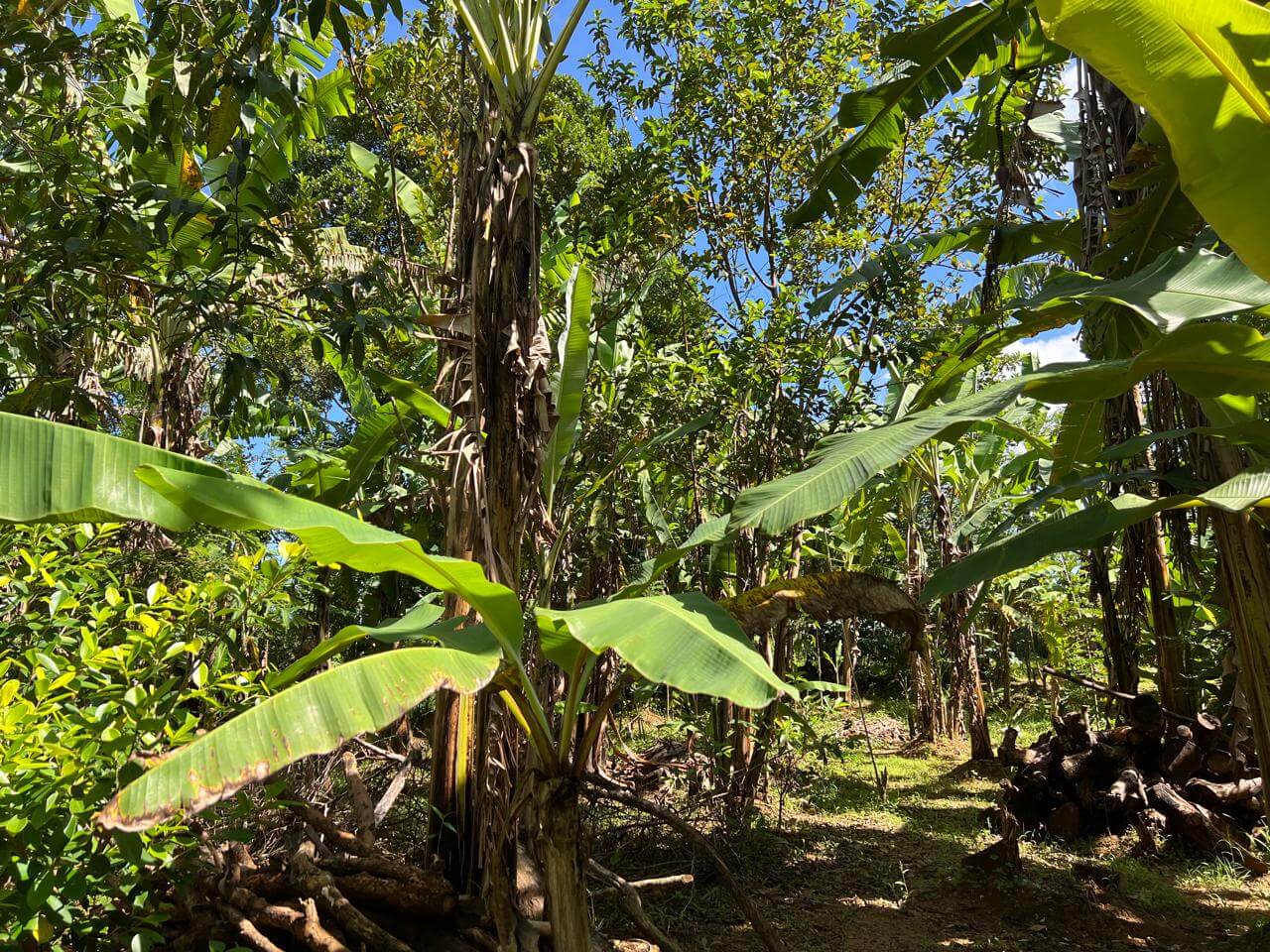
For example, country A with a dense vegetation cover provides x tons of oxygen per
annum while a comparable country B with poor vegetation cover produces less than x
tons of oxygen per year. The amount that each country will have for negotiating with the
Bank is based upon the net production (nP) of oxygen to the SGS. The net production
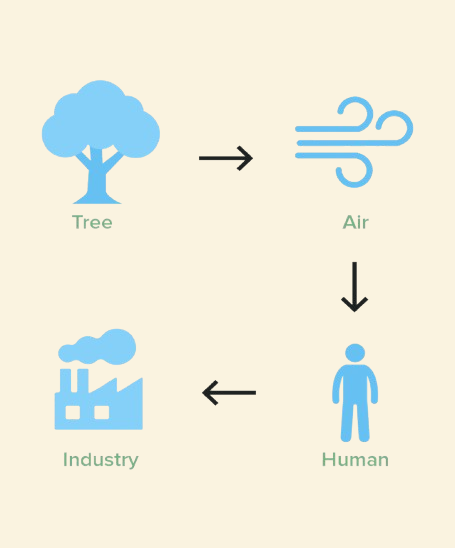
is calculated by subtracting annual consumption (C), which is a sum of Industrial, and
domestic consumption (I) plus natural respiration (R) minus the total country production
(tP). Such that: nP= tP- C (where C= I+R)
If the net production is positive the country gains
from the SGS
and is paid by the bank if the net
production is negative then the country owes the Bank as this represents a drawdown
from the SGS. In practice this system will bring a more equitable use of global
resources and incorporates the 'user pays' principle fully.
Notes:
-
The recognition of the Global Stock of CAG's as being distinct from national stocks
will enable the structuring of a financial instrument that can support the current
international institution building process.
-
The current levels of the global stock have been well established by scientific
research.
-
The rates of exchange and transfer dynamics of the CAG's are well identified so that
the auditing of national contributions and drawdown are easily established.
-
The recognition of the value of the global pool creates new capital stock in the global
economy.